

Alumni Profiles
Alumni Networks
Fulbright Australia is proud to support an incredible community of scholars and alumni who are shaping the future in Australia, the U.S., and beyond. From groundbreaking research to leadership in policy, business, science, and the arts, Fulbright alumni continue to make a significant impact.
Meet our current Fulbright Scholars and learn about the innovative projects they are pursuing in the U.S. and Australia. Their work spans disciplines such as medical research, artificial intelligence, international relations, the performing arts, and more.
Host University —
Host University —
Host University —
During summer holidays, health and achievement gaps between the rich and poor widen. Summer camps offer practical solutions to improve the lives and futures of disadvantaged youth. My Fulbright research evaluates the feasibility and appeal of summer camps for disadvantaged groups, seeking effective models for Australian adaptation.
Emily graduated from the University of South Australia in 2006 with a Bachelor of Physiotherapy (Honors). A volunteering experience in Nepal ignited her passion for health equity. Now a PhD candidate at UniSA’s Alliance for Research in Exercise, Nutrition, and Activity, Emily studies the health costs of summer holidays, particularly for disadvantaged children.
With a Fulbright Scholarship, Emily will collaborate with Associate Professor Glenn Weaver and the team at the Arnold School of Public Health (University of South Carolina), experts in children’s wellbeing during summer. Exploring U.S. summer camp models, Emily aims to adapt these as culturally-tailored health interventions in Australia to bridge health inequality.
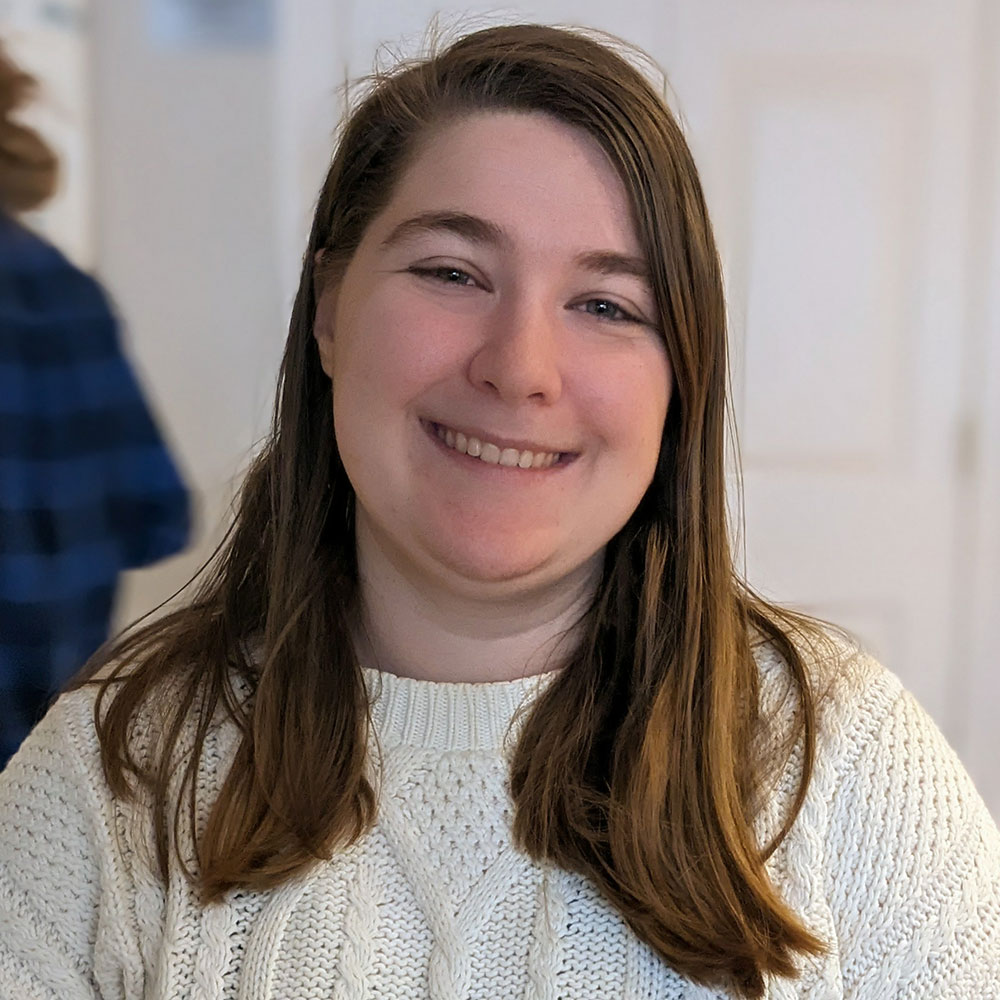
Mining activities disproportionally impact local and indigenous communities, but these social impacts are usually left out of conventional life cycle assessment. Working with UQ SMI, I will identify relevant social indicators and develop a method to quantify them, conducting a holistic assessment for decarbonization technologies.
Alliana Snead is a PhD candidate at Northwestern University who grew up on the east coast of the United States, living and learning in close connection with coastal environments. Her Fulbright project is inspired by this deep connection to place and by an interest in how communities experience and value their surrounding land and water.
As a Fulbright Scholar, Alliana seeks to learn directly from communities whose social and cultural connections to land may be overlooked by assessments that claim environmental sustainability without fully accounting for social impacts. Her research aims to better understand and prioritise the impacts experienced by these communities, in order to inform and refine social life cycle assessment methodologies, with a particular focus on applications in the mining context.
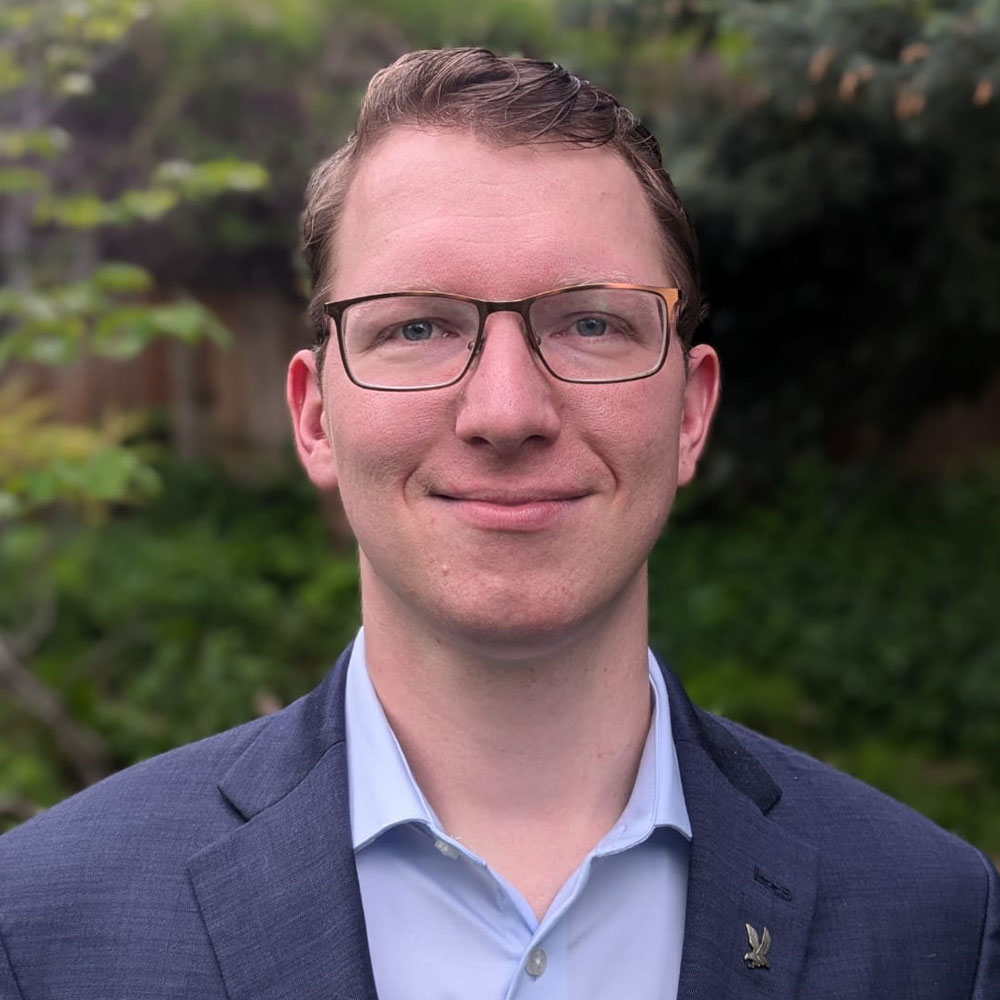
My Fulbright research explores the physics of flight vehicles that can travel over six times the speed of sound, such as space re-entry capsules and glide vehicles. Through a better understanding of high-speed flight, aerospace engineers can more confidently build the next generation of safe and robust supersonic and hypersonic aircraft.
Mark Noftz is an aerospace engineer and PhD candidate in the Gambaro Graduate Program of Aeronautics and Astronautics at Purdue University. His primary areas of research include high speed aerodynamics and scramjet propulsion systems, and he has a patent for a design method to optimize intakes for air breathing engines.
As a Fulbright scholar, Mark will lead experimental test campaigns in some of Australia’s most prolific hypersonic wind tunnels. He is also excited to collaborate with researchers at UNSW Canberra and the ADFA, strengthening hypersonic research initiatives and trans-pacific partnerships between U.S. and Australian institutions.
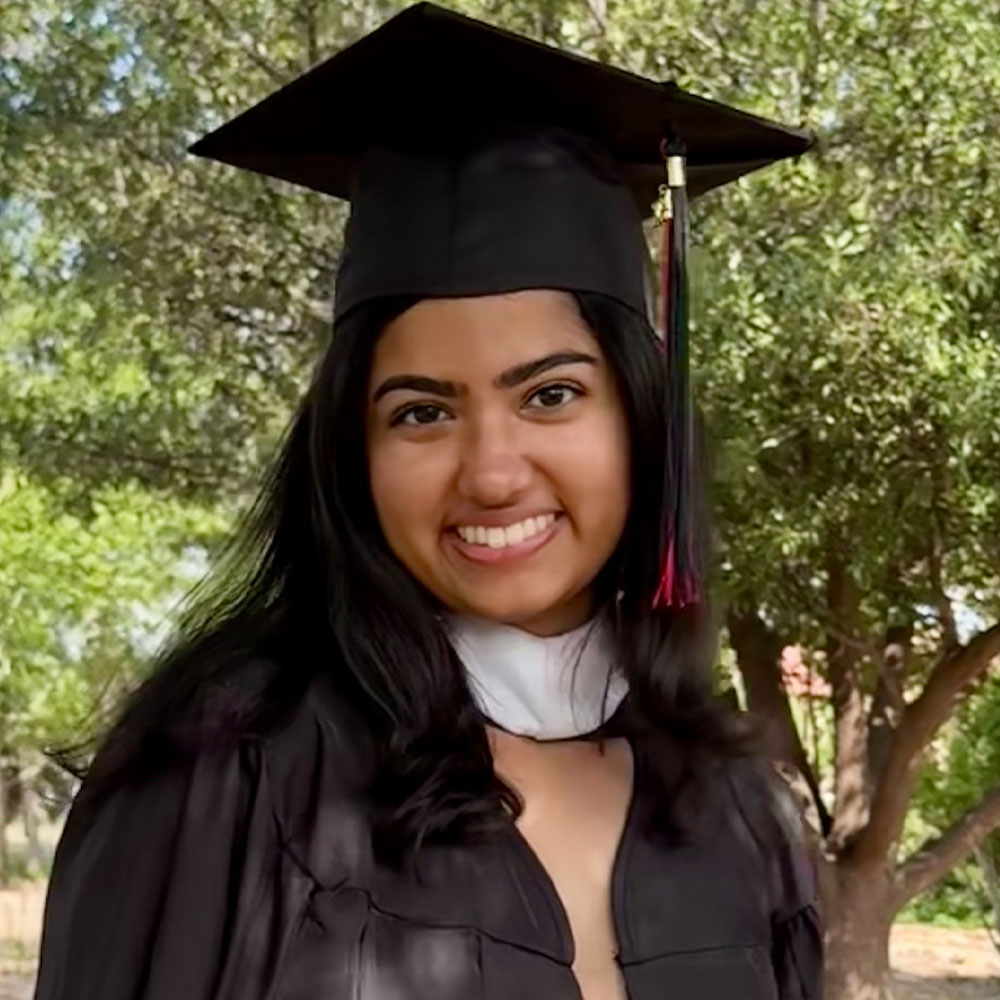
Given the importance of our healthcare providers' health, my Fulbright research aims to examine and improve the vocational health of Australian healthcare provider trainees. I will use a 5-week intervention to strengthen the well-being of Australia's next generation of healthcare providers.
Malvika Narayan, M.A. is a Counseling Psychology Doctoral Candidate at Texas Tech University, where she studies healthcare provider burnout. Her research, examining burnout among mental health clinicians across the pandemic and among underrepresented providers, has been presented across the United States and received national recognition. Malvika also serves as the President of the Texas Psychological Association Student Senate and has a deep passion for mental healthcare accessibility and the promotion of clinician wellbeing through advocacy, research, and policy reform.
Through the Fulbright Award, she will conduct an intervention study aimed at improving the vocational health of healthcare provider trainees.
My Fulbright research will target the functional role of a cell cycle mutation, coined cylin-E1 amplification, found in several cancer types, namely: ovarian, gastric, esophageal, uterine, and breast cancers. By increasing drug specificity to the cyclin-E1 protein, I will investigate the effects of pharmacological inhibition in cyclin-E1 amplified breast cancer.
Abigail Moore graduated Washington & Lee University with a Bachelor’s degree in Neuroscience. Through independent studies and fellowship opportunities, she developed a strong passion for translational cancer research. As an aspiring MD–PhD student, she seeks to integrate her research experience into future postgraduate training, leading her to pursue a Fulbright grant.
With the support of a Fulbright Scholarship, Abigail will spend ten months at the Peter MacCallum Cancer Centre working under the supervision of Dr. Shom Goel. Her research will focus on elucidating the functional role of a novel cell cycle protein inhibitor in breast cancer.
My Fulbright research aims to predict honey bee foraging patterns to help mitigate disease transmission both between honey bee colonies and to other foraging species.
Nova Meng graduated from the University of Pennsylvania in 2024 with a BSE in Bioengineering. She is passionate about developing accessible technologies in both healthcare and environmental contexts. At Penn, she conducted research in rehabilitation robotics, was the president of the Penn Beekeeping Club, and spent a summer in Germany studying honey bee disease propagation.
This experience inspired her current Fulbright research, where she investigates honey bee foraging patterns. She is conducting this work at the Australian National University under the mentorship of Dr. Sasha Mikheyev. Outside of research, Nova loves completing or attempting to complete random art projects.
Over the last two decades, demand for lithium has skyrocketed. Despite this, the process for its extraction has remained fundamentally unchanged since the 1950s. My Fulbright project aims to bridge that gap by determining the effectiveness of recently explored processes on Australian mineral samples and analyzing their possibilities for implementation.
Liam McDonough completed his undergraduate studies at The University of California, Berkeley in chemical engineering. He completed his undergraduate studies at The University of California, Berkeley in chemical engineering. Previously, he worked on the development of electrochemical mineral extraction at Lawrence Berkeley National Laboratory and studied battery degradation using scanning electrochemical microscopy at the National Renewable Energy Laboratory.
For his Fulbright project, Liam is working on studying the application of emerging lithium extraction and purification techniques to Australian clays. In his free time, Liam enjoys hiking, cooking, and board games. After Fulbright, Liam hopes to pursue a PhD in chemical engineering.
My Fulbright supported Master's degree and research will prepare me to be a scientifically informed policy maker to protect the ocean as a global resource. I plan to pursue a diplomatic role between the U.S. and Australia on issues like ocean governance and conservation.
Julia MacDonald holds a Bachelor’s degree in Biology from the University of Massachusetts Boston, where she conducted research in disease ecology, volunteered with the New England Aquarium’s penguin colony, and worked as an emergency medical technician. These experiences fostered her strong interest in the ways public policy shapes and informs scientific practice.
With the support of a Fulbright Anne Wexler Scholarship, Julia will undertake a Master’s degree in Marine and Antarctic Science at the University of Tasmania, specialising in governance and policy. She intends to complete an individual, research-based Master’s thesis examining how marine protection policies and ocean use affect endangered populations in the Southern Ocean.
My Fulbright research will investigate how shoulder implant design interacts with musculoskeletal loading. While current models capture general joint mechanics, there is a gap in understanding patient-specific movement patterns. My work at the ARC Centre for Medical Implant Technologies aims to improve implant performance and guide future clinical decision-making.
Theresa Haupt is a Student Researcher in biomechanics, investigating how musculoskeletal loading and joint mechanics inform injury prevention and implant design.
Theresa’s Fulbright project focuses on shoulder implant performance, working within the ARC Centre for Medical Implant Technologies at the University of Melbourne. As a Fulbright Scholar, Theresa will study human movement and implant research to advance engineering approaches that improve clinical decision-making.
My Fulbright research seeks to strengthen the survival of orphaned koalas by improving the immune support they receive in care. By learning how koala milk naturally protects developing joeys, I hope to help create more effective milk replacers that give rescued animals a stronger start and support long-term species recovery.
Marion Duval graduated from Bucknell University with honors in Cell Biology & Biochemistry.
As a Fulbright Scholar, Marion is expanding her undergraduate research on insect antimicrobial peptides to a new biological system by investigating immune components expressed in koala milk. Using genomic analysis, she aims to identify the protective factors that help joeys fight infection while in the pouch. Her work will support the development of improved milk formulas for orphaned koalas and strengthen wildlife conservation and rehabilitation.
My Fulbright research will use community engagement to investigate work and care-related mobilities for low-income migrants in Western Sydney and how they relate to NSW’s transportation planning and infrastructure.
Maria Correa is a Transportation Engineer and Planner based in the Bay Area, specializing in equitable public and active transport modes. She holds a B.S. with Honors and Distinction in Environmental Systems Engineering from Stanford University.
As a Fulbright Scholar, Maria will investigate transportation access and mobility for low-income, migrant individuals in Western Sydney in collaboration with Western Sydney University and Transport for New South Wales.
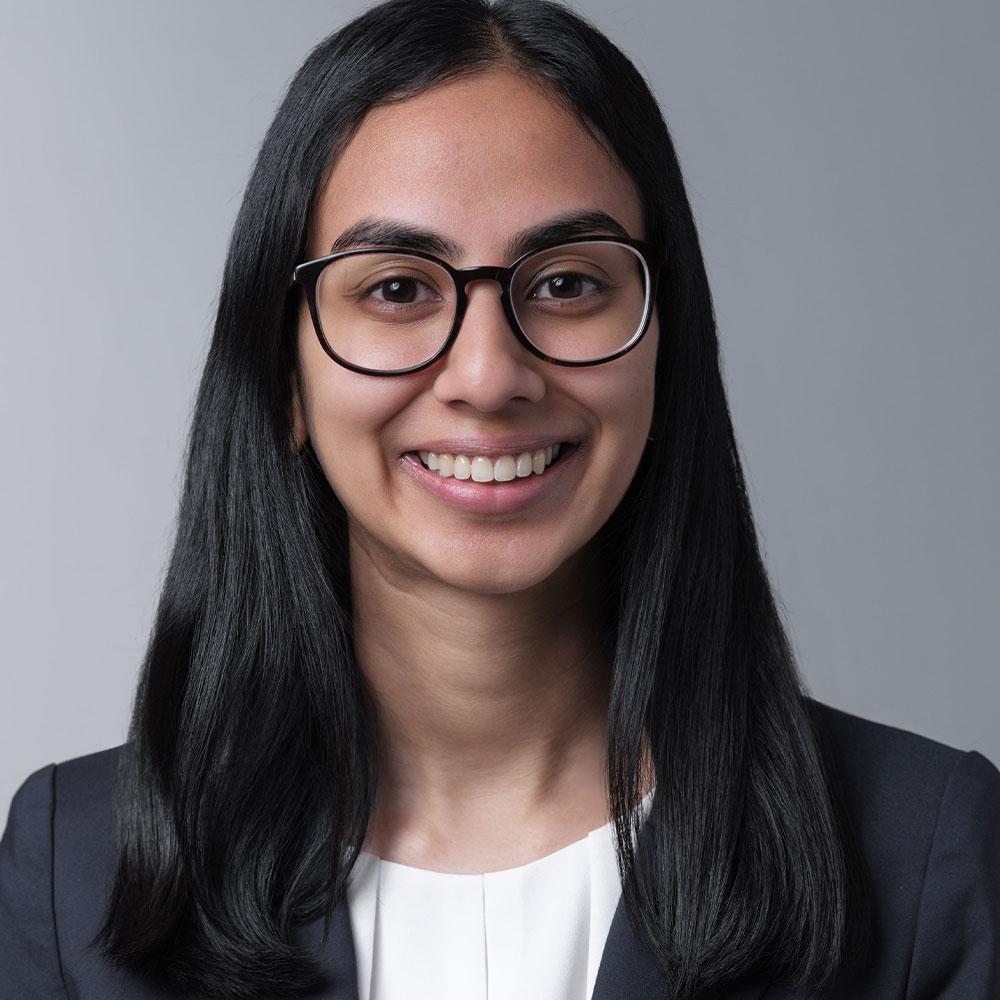
My Fulbright research investigates how endometrial stem and progenitor cells contribute to healthy tissue regeneration and how disruptions in these pathways may lead to endometriosis. By uncovering the cellular origins of this disease, my work aims to inform the development of improved diagnostics and targeted therapeutics.
Sarah Broyhill is a recent graduate of the University of North Carolina at Chapel Hill, where she received a BS in Biology.
Sarah will complete her Fulbright research at the Ritchie Centre within the Hudson Institute of Medical Research in Melbourne, Australia. Her project investigates the origins of endometriosis through the study of endometrial progenitor and stem cells. She plans to begin an MD-PhD program upon returning to the United States, aiming to become a physician-scientist dedicated to advancing understanding and treatment of reproductive health disorders, such as endometriosis.
My Fulbright research aims to expand access to justice and modernise Australia’s legal support network by developing frameworks which aid the responsible implementation of AI tools by community legal centres. Through my LLM, I will gain the global and interdisciplinary insights and skills necessary to help advance Australia’s technology laws.
Sonali Yardi is a solicitor at HSF Kramer, with an interest in cyber and technology litigation and pro bono. She was previously a Research Assistant at UNSW examining global AI regulation, Tipstaff at the NSW Supreme Court and volunteer at the Refugee Advice and Casework Service.
As a Fulbright Scholar, Sonali will pursue a Master of Laws, specialising in the intersection of technology, law and social justice. Her research will explore how AI can modernise Australia’s legal support network by evaluating current legal technology tools, understanding the barriers to use and developing regulatory frameworks to mitigate against key risks.
My Fulbright research will study the impact of place on the development of Alzheimer's disease by tracking the health of elderly Americans over the course of multiple decades.
Michael is a PhD candidate at Curtin University studying the different ways how where we live affect our lives, looking at how it impacts factors as varied as obesity to trust.
Michael’s Fulbright project involves working with Associate Professor Xi Chen at Yale University on the place determinants of Alzheimer’s disease to determine whether it is more important who you are or where you are. This research will produce important findings for both Australia and the United States due to our rapidity aging populations.
My Fulbright research will explore the use of imagination as a tool to better consider policy options in the context of technological innovations. Ultimately I aim to improve methods of interdisciplinary collaboration for high-stakes decision making about our futures.
Indigo is a PhD researcher at the Australian National Centre for the Public Awareness of Science where she studies the interface of science and policy making. Her work focuses on ways to improve and expand interdisciplinary collaboration and expert input in decision-making processes, with a particular interest in the role of imagination and storytelling as a sense-making tool in this area.
As a Fulbright Scholar, Indigo will be spending time at Arizona State University to test and develop her method of ‘collaborative imagination’ on technological innovation challenges faced in the US.
My Fulbright research aims to understand US foreign policy towards the Pacific. I want to inspect how the US conceives of its role in the region, and how its interests are informed by its unique history. This will be critical to help shape Australian foreign policy in the coming decades.
Oliver is a practising lawyer with a longstanding interest in international affairs. He holds a Bachelor of Arts (Honours) from the University of Sydney and has published widely in Australian think tanks, journals and national newspapers.
As a Fulbright Scholar, Oliver aims to undertake a comprehensive analysis of US foreign policy and strategic interests in the Pacific Islands region. He hopes to understand points of divergence and overlap between US and Australian objectives in the region to inform complementary foreign policy in the future.
My Fulbright project at Yale's Cardiovascular Data Science Lab will develop AI tools to automate cardiovascular care quality measurement. The skills I acquire will help build the next generation of digital public health infrastructure, catching gaps in patient care before they cause harm and making world-class care accessible to all.
Dr Anupam Rao is an Advanced Trainee in Cardiology at Canberra Hospital and PhD candidate at the Australian National University. He serves on the Emerging Leaders Committee of the Australian Cardiovascular Alliance, the National Cardiac Registry Risk Adjustment Expert Advisory Group, and the Board of Yarralumla Primary School.
Anupam’S Fulbright project at Yale University will develop artificial intelligence tools to automate cardiovascular care quality measurement. Bringing together skills in clinical cardiology, machine learning, leadership, and advocacy, he aims to advance clinician-led science at the intersection of cardiology, public health, and digital medicine.
My Fulbright project will look at how technology and public policy can work better together to help communities prepare for disasters and respond more effectively as climate change makes those risks more severe.
Finn Maguire is interested in applying technology and public policy to disaster risk reduction. He is a graduate of the Australian National University with training in computer science and economics, and has professional experience in government cyber security, working on threats to public systems and critical services. He is interested in exploring how emerging technologies can be incorporated into public institutions to support clear decision-making under pressure.
Finn’s Fulbright project will look at how technology and public policy can work better together to help communities prepare for disasters and respond more effectively as those risks become more severe.
My Fulbright research examines factors influencing primary school teachers' approaches to curriculum development, including the role of curriculum frameworks, resources and supports. The analysis of diverse curriculum-making approaches across varied school and system contexts, and the implications for teaching and learning, will help inform education policy and practice.
Jacqueline Magee is a teacher and education researcher with 15 years’ experience working in classroom and policy roles across Victoria and the Northern Territory. She currently teaches Humanities at Elevation Secondary College in Craigieburn.
As a Fulbright Scholar, Jacqueline will collaborate with researchers at the University of Southern California Rossier School of Education to refine the survey tools and quantitative methods relevant to her mixed-methods curriculum and education policy doctoral research.
As a Fulbright Scholar, I will undertake a Master of Public Health to strengthen expertise in health systems, epidemiology, and public policy for paediatric chronic disease. With a focus on paediatric inflammatory bowel disease, I aim to use skills in research and advocacy to translate public health insights into improved outcomes for children.
Dr Stephanie Lee is an Australian Paediatric Registrar based at the Queensland Children’s Hospital and is training under the Royal Australasian College of Physicians. Her work is shaped by a strong commitment to improving child health by bridging public health policy and clinical care. She has conducted research examining chronic gastrointestinal conditions and health service utilisation. As a Fulbright Scholar, she will undertake a Master of Public Health while researching models of care for chronic paediatric disease, such as inflammatory bowel disease.
As a Fulbright Scholar, Stephanie intends to explore how health systems, policy, and advocacy shape the lived experiences and outcomes of children and families. Stephanie aims to translate her public health leadership into equitable, sustainable improvements for children living with chronic disease.
My work considers how Australia can navigate an increasingly complex strategic environment while preserving peace, enhancing prosperity, and reaffirming the national values that underpin its role in the world.
Charlie Hoffman is an emerging leader focused on Australian foreign policy in a “post-rupture” international order. He developed an early interest
in China, travelling there twice during high school and later ranking first in New South Wales in HSC Chinese. At university, he wrote an award-winning thesis on Chinese influence in the Pacific, receiving the University Medal. Following his studies, he worked as a policy adviser to NSW Treasurer Matt Kean, completed an intensive Mandarin course in Taipei, and now serves as an Army Reserve Officer Cadet while working as a Defence and Security consultant at BCG.
As a Fulbright Scholar, Charlie will undertake study at Yale University, examining the future of Australia’s relationships with China and the United States. At Georgetown, Charlie will explore what Australia’s relationships with the United States and China will look like over the next three decades.
My Fulbright Master’s in NYC integrates the bebop lineage with advanced contemporary rhythmic concepts and counterpoint. I will bring this expertise back to Australia, conducting workshops to empower the next generation of musicians with new improvisational tools and contributing to the growth of our national jazz community.
Flavio Colonetti is a jazz pianist and composer who graduated with Honours from the Western Australian Academy of Performing Arts (WAAPA), where he received the 2025 Jazz Honours Prize.
As a Fulbright Scholar, Flavio plans to pursue a Master of Music in Jazz Studies in New York City. His project aims to integrate Bud Powell’s bebop vocabulary with advanced contemporary rhythmic concepts, such as metric modulation and odd time signatures. He has performed with international artists including Melissa Aldana and Frank Gambale.
My Fulbright experience sits at the nexus of animal biology and storytelling. I will study how species evolutionarily adapt to shifting ecological dynamics, while investigating how research is most effectively communicated. Together, these insights could guide conservation efforts and inspire storytelling strategies.
Brendan Cohen is a wildlife biologist and science communicator from Melbourne. He has worked across diverse ecosystems, surveying platypus in Victoria’s rainforests and tagging alligators in the Florida Everglades to filming live safaris in the African bush. Brendan is driven to use the power of storytelling to help bridge the gap between field research and public knowledge.
As a Fulbright Scholar, Brendan will pursue a Master of Science in Ecology and Evolutionary Biology at Rice University, focusing on how species evolutionarily respond and structurally adapt to extreme and rapidly changing environments.
My Master of Public Health will equip me with the research, epidemiological and health systems skills to contribute to improved cardiovascular disease prevention and outcomes for women across the life course.
Dr Tegan Burns is a junior doctor from Melbourne passionate about women’s cardiovascular health, shaped by a background in endurance sport and clinical experiences across rural and international settings. She is interested in how public health, clinical care, sex-specific research and physical activity can work together to improve prevention and address gaps in how heart disease affects women.
With Fulbright support, Tegan is undertaking public health training in the United States to better understand systemic barriers to women’s cardiovascular health and develop practical skills to support targeted preventive interventions and research.
My Fulbright research will guide treatment and care for ARFID in Australia by developing a protocol to improve oral intake for individuals with Avoidant/Restrictive Food Intake Disorder.
Copeland Winten is a researcher and clinical dietitian at Queensland University of Technology and Queensland Eating Disorders Service. Her PhD focused on the provision of treatment for individuals living with Avoidant/Restrictive Food Intake Disorder (ARFID). Her work was the first to trial and evaluate therapy for adults with ARFID in Australia.
As a Fulbright Scholar, Copeland will be supported by the Eating Disorder Clinical and Research Program at Massachusetts General Hospital/ Harvard University. Here, she will design a protocol to support people with ARFID who rely on tube feeding in transitioning to oral intake.